
 mail@aiajapan.org




- This event has passed.
Project Tour: Kiyoshi Seike House, “My Home I.”
May 24, 2025 @ 10:00 am - 11:30 am

Join AIA Japan for a special guided tour of the Kiyoshi Seike House, a landmark of postwar Japanese modernism. This private tour offers a rare opportunity to experience Seike’s influential design firsthand and learn more about his lasting impact on architecture. Please see below for more project information! Learning credits are available.
Register via the Peatix ap now!
Date: Saturday, May 24, 2025
Time: 10:00 AM
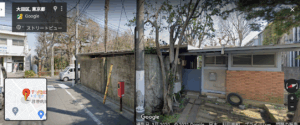
Meeting Point Address: 〒145-0065 Tokyo, Ota City, Higashiyukigaya, 3 Chome−8−2 デザインシステム
Guest Limit: Maximum attendance limited to 24. Visits will be broken into 2 equal groups of maximum 12 visitors. The first group at 10:00 am and the 2nd group at 10:45 am. Preference will be given to AIA Japan members.
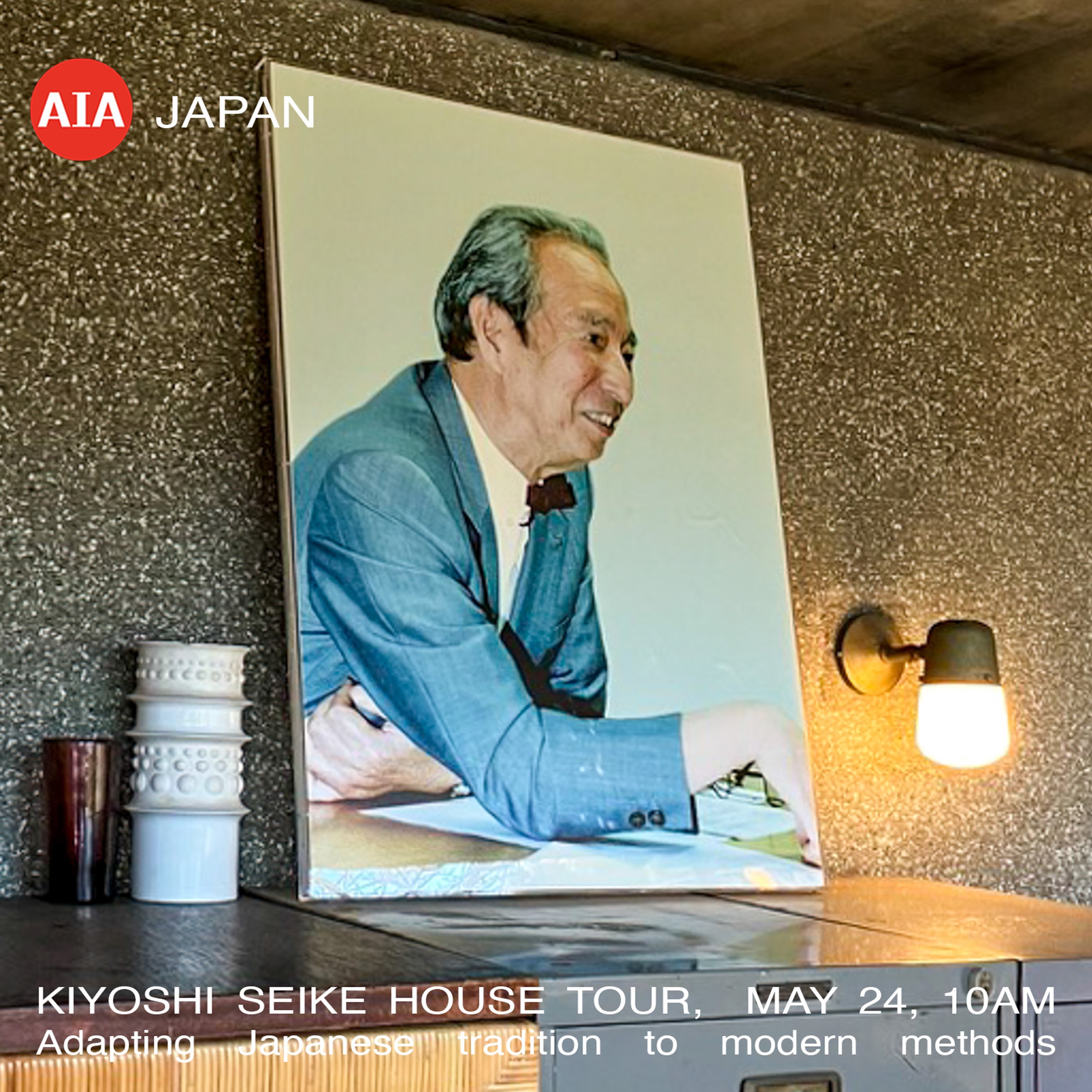
Tour Leaders: Yuri Yagi, the eldest daughter of Kiyoshi Seike and her husband Koji Yagi, an architect and professor emeritus of TiTech (Tokyo Institute of Technology)
Public Transit: Ikegami line to Senzokuike station. The time schedule: Senzokuike 9:45→Ebara Hospital 9:58, for the next group 10:37→10:41
Parking: Available in the basement of nearby Ebara Hospital.
Project Information:
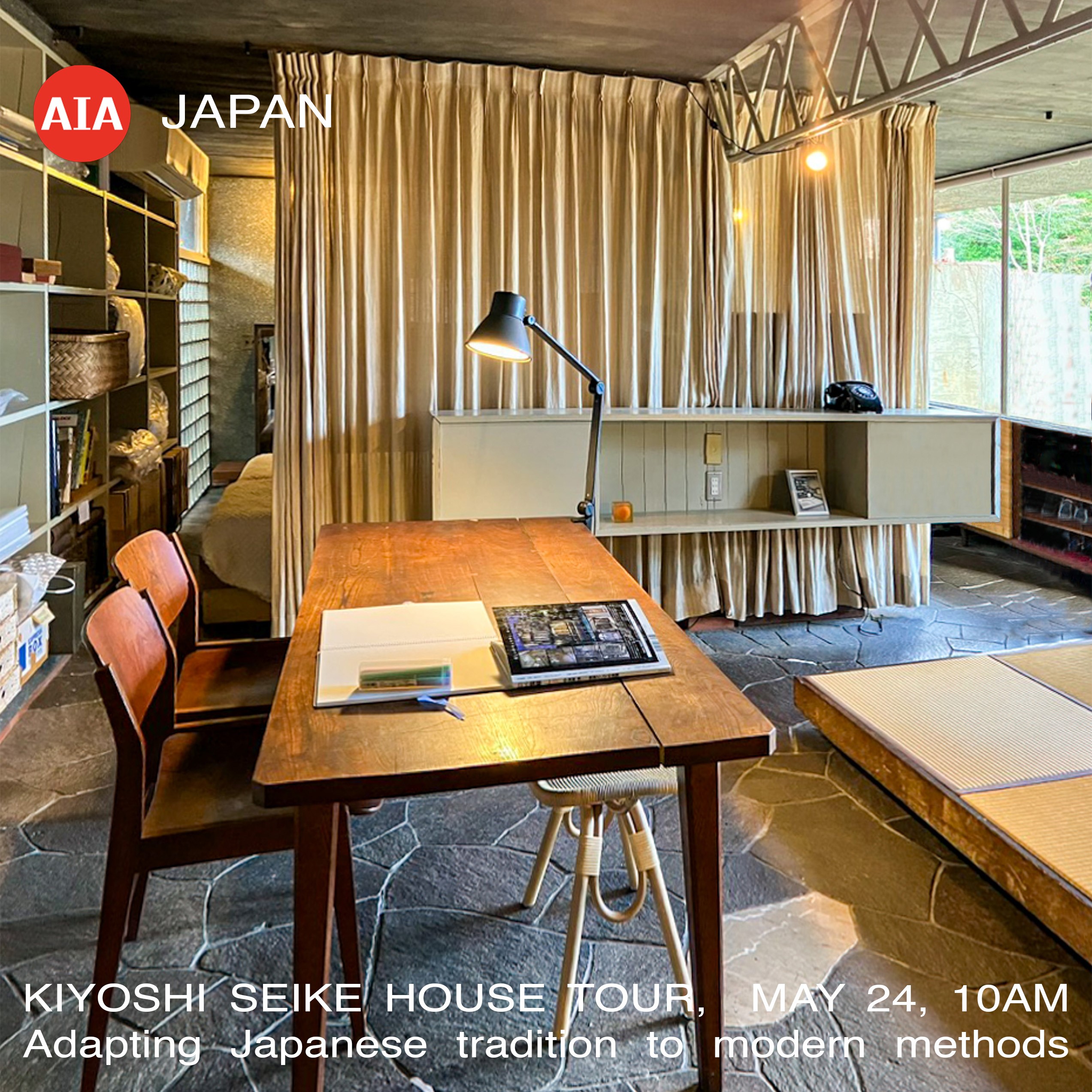
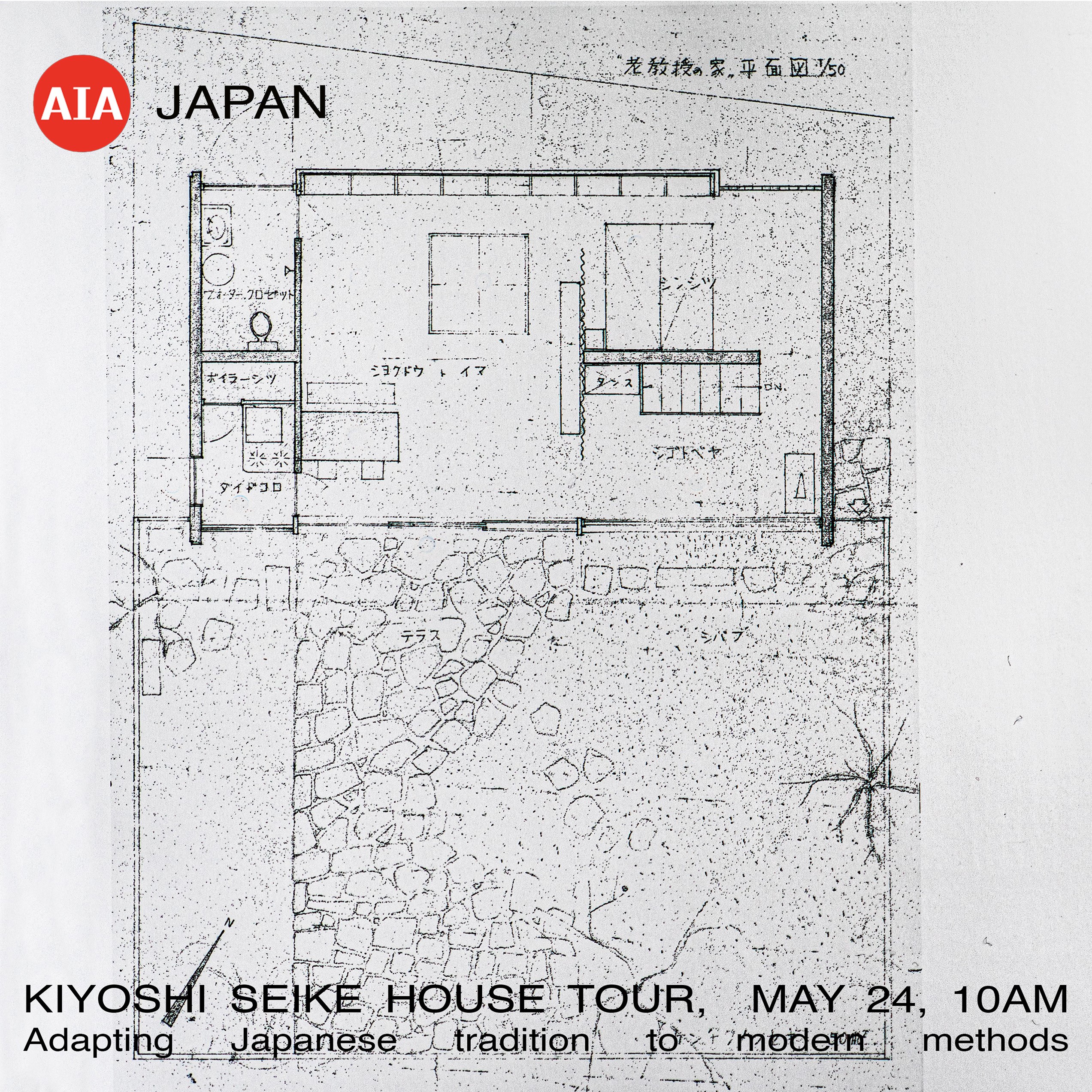
Constructed in 1954, this small house holds immense significance in Japanese architectural history. It pioneered a revolutionary approach to modern living, seamlessly integrating traditional Japanese aesthetics with European modernism and industrial materials. Serving as an early example of fusing diverse constraints within a limited space, the house also experimented with the societal shift towards modern family life in Japan.
During the post-war era, new democratic and women’s rights were profoundly transforming the Japanese family. The house’s compact size of 50 square meters, and one-room design were deliberate choices to adapt to the economic constraints of the time and emphasize the unity of the family, while combining materials such as industrial concrete, iron, and glass with traditional exterior sliding doors and screens. Notably, the movable tatami, a radical reimagining of traditional Japanese architecture, embraced the flexibility of traditional living practices. It served as a versatile surface, accommodating various activities from office work and play to sleeping and even outdoor enjoyment. The floating cabinet, steel truss, and movable tatami collectively provided whimsical commentary on modern functionalism.
The Seike House exemplifies a broader cultural shift in how Japanese individuals approached modern living and design. During a visit to Japan, Walter Gropius, the founder of the Bauhaus, requested to visit the house and subsequently Seike accepted an invitation to the US to work together. This collaboration marked a pivotal moment in the exchange between European modernism and Japanese architecture. Seike’s work continues to resonate with architects to this day.
This event builds upon recent AIA Japan events, including Toshiko Kinoshita’s “The Work of Heritage Houses Trust,” Naomi Pollock’s “Exceptional Japanese Houses from 1945 to the Present,” and “BOOK TALK: The Making of The Critical House.”